Unexplained emotional reactivity
Reactions that feel bigger than the moment, and hard to explain even to yourself.
How we help
Heal what's underneath, not just what's on the surface.
Trauma can sit at the root of many struggles, from anxiety and depression to addiction and relationship pain. We treat it at its source with an integrative approach that understands the neuroscience of trauma.
Trauma happens when an event, or many events over time, overwhelms your capacity to cope. It can show up as:
Reactions that feel bigger than the moment, and hard to explain even to yourself.
Sights, sounds, or situations that send your body into alarm.
Memories that intrude, or thoughts that get stuck on repeat.
Trouble falling or staying asleep, or nightmares.
Feeling on edge, suspicious, or unable to fully relax.
Numbness, self-criticism, or distance from the people you love.
Everyone hurts, and everyone is wounded. We combine proven methods and match them to you, so healing reaches your mind, body, and relationships.
Eye Movement Desensitization and Reprocessing helps the brain reprocess traumatic memories so they lose their emotional charge.
Uses where you look to access and process trauma held deep in the brain and body.
Non-invasive brain training that reduces an excessive stress response at its source.
Practical tools for triggers, stuck thoughts, sleep, and daily functioning.
We treat single overwhelming events and the slow build-up of repeated hurts alike.
Our approach is shaped by extensive work with veterans, and it's here for anyone carrying trauma.
No. Approaches like EMDR and Brainspotting do not require you to describe every detail out loud. You stay in control of the pace.
Big 'T' trauma is a single overwhelming event, such as an accident, assault, combat, or disaster. Little 't' trauma is the slow build-up of repeated painful experiences. Both can affect mental health, relationships, and physical health.
Not at all. Our trauma care is informed by our work with veterans, but it's for anyone who is carrying trauma. We also offer dedicated veteran care.
We are not an emergency service. Call or text 988, the Suicide & Crisis Lifeline, free and available 24/7 (veterans can press 1). If someone is in immediate danger, call 911.
A free consultation is a safe, low-pressure first step. We'll listen and help you find the right approach and clinician.
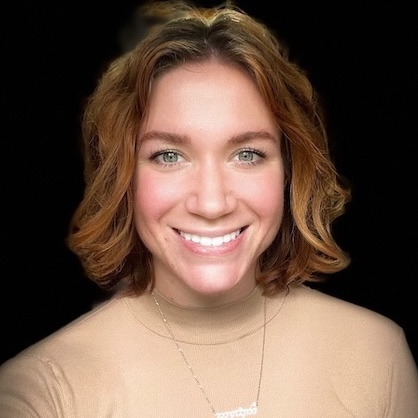 Emily Brown, Client Care CoordinatorSchedule a consultation with Emily to be matched with the right therapist or coach for your needs and your timeframe.