Trauma and PTSD
Single overwhelming events and long-term, repeated hurts.
Brainspotting is a gentle, body-based therapy that uses your field of vision to find and process trauma and emotional pain held deep in the brain and body, often reaching places words alone can't.
Some experiences are stored beneath conscious thought, in the body and the deeper, emotional parts of the brain. Brainspotting can help with:
Single overwhelming events and long-term, repeated hurts.
Reactions that feel physical and automatic, not just mental.
Patterns that insight and talk therapy haven't been able to shift.
Emotional barriers that get in the way at work, in creative pursuits, or in sport.

Brainspotting was developed by Dr. David Grand in 2003. It rests on a simple observation: where you look affects how you feel. A particular eye position, called a brainspot, can connect with stored emotional experience.
With your therapist attuned to you, you hold your gaze on that spot while noticing what arises in your body. This focused mindfulness allows the brain to process and release what has been stuck, at a pace your nervous system can handle.
“Where you look affects how you feel.”— the core idea of Brainspotting
Brainspotting is collaborative and gentle. You remain present and in control throughout.
You bring an issue to mind and notice where you feel it in your body, and how strongly.
Your therapist slowly guides your gaze, often with a pointer, to find the eye position where the feeling is strongest or where you feel most grounded.
Holding that gaze, you observe thoughts, feelings, and sensations as they shift, while your therapist stays attuned and supportive.
Brainspotting can be combined with EMDR, neurofeedback, and talk therapy as part of an integrative trauma plan.

We make sure you have calming resources before deeper processing.
Quiet, focused processing guided by a trained therapist.

Time to make sense of what shifted and how it shows up in daily life.

Combined with EMDR, neurofeedback, or talk therapy when that helps most.
Both are brain-based trauma therapies. EMDR uses a structured protocol with bilateral stimulation; Brainspotting uses a fixed eye position and focused mindfulness. Some people respond better to one or the other, and we can combine them.
Not in detail. Much of Brainspotting happens through noticing sensations and feelings rather than retelling events.
We are not an emergency service. Call or text 988, the Suicide & Crisis Lifeline, free and available 24/7 (veterans can press 1). If someone is in immediate danger, call 911.

Talk with us about whether Brainspotting fits your goals.
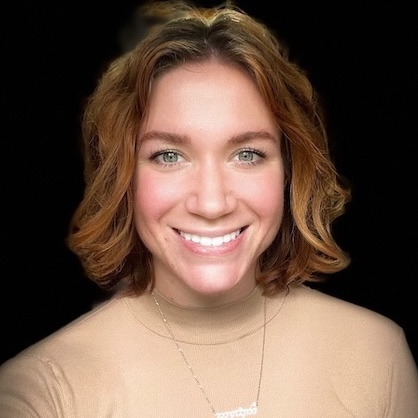 Emily Brown, Client Care CoordinatorSchedule a consultation with Emily to be matched with the right therapist or coach for your needs and your timeframe.
Individuals · In person in Los Gatos and by telehealth