About half of first marriages end in divorce
Couples marrying today face roughly a 50% chance of divorce.
Island of Shared Meaning (ISM) communication is our model for turning hard conversations into understanding. Built on Nonviolent Communication and brain science, it is the fastest way we know to improve how you talk and listen.
Getting an idea from one person to another without a defensive response is no easy feat, especially when the stakes are high. The statistics show how hard it is:
Couples marrying today face roughly a 50% chance of divorce.
Around 60% of second marriages and 73% of third marriages end in divorce.
Our self-defense instincts make us hold tight to our own views, which leads to unshared, incoherent meaning.
Effective communication is the cornerstone of strong relationships, so the hard conversations eventually have to happen.
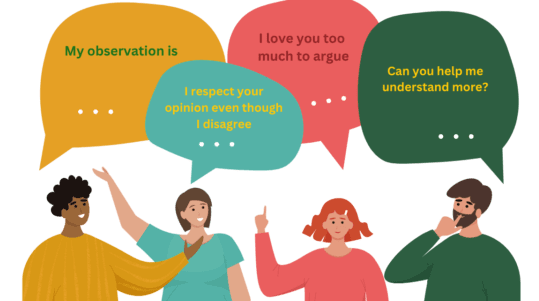
ISM is built on the foundational principles of Nonviolent Communication (NVC), as presented by Marshall Rosenberg: empathy, clarity, and mutual respect. It helps people express needs and experiences in ways others can hear without becoming defensive.
By softening the ego's impulse to defend or argue, ISM keeps communication focused on understanding rather than winning. Even when disagreements remain, it opens the door to peaceful resolution, or simply agreeing to disagree while preserving the relationship.
“Dialogue is not meant to resolve differences. Dialogue is meant to allow differences.”— Pastor Clement
Navigating communication quickly takes a skilled guide, solid theory, and practical tools. The ISM model delivers all three.
Understand how shared, coherent meaning emerges when many views are allowed without judgment or defensiveness.
Visually engaging handouts with clear examples and scripts, plus the Island of Shared Meaning app with feeling, thinking, behaving, and relating modes.
After each session you gather data through a social experiment. It's not about blame but learning how ISM works in your relationship.
Once ISM is in place, withdrawals from your emotional bank accounts drop to almost zero and deposits happen regularly.
ISM creates room to be transparent, vulnerable, and authentic, so everyone feels Respected, Acknowledged, and Validated (RAV).
Between sessions you test what you're learning in real conversations and bring the results back.
Four modes (feeling, thinking, behaving, and relating) put ISM tools on your phone, so you can practice when it matters most.
Therapists and coaches trained in ISM provide the social accountability that makes change stick.
The Island of Shared Meaning model was developed by Dr. Thomas Lucking, and our therapists and coaches use it with couples and families from all walks of life.
Since my partner and I have known each other (about 20 years) I think we've never communicated like we did last session.
We struggled for years with therapists that didn't understand Asperger's… it is only now that we are getting traction and rebuilding our relationship.
…you'll always get what you always got. Start with a consultation, or download the Island of Shared Meaning app and explore the tools yourself.
No. Our therapists and coaches use ISM with couples and families, and with both neurotypical and neurodiverse couples.
It helps but is not required. The app has four modes (feeling, thinking, behaving, and relating) and is one of several tools, alongside handouts, scripts, and work with a trained provider. It's available on the App Store and Google Play.
ISM builds on Nonviolent Communication and adds brain-science-based tools to lower defensiveness, plus structured practice and accountability between sessions.
We are not an emergency service. Call or text 988, the Suicide & Crisis Lifeline, free and available 24/7. If someone is in immediate danger, call 911.
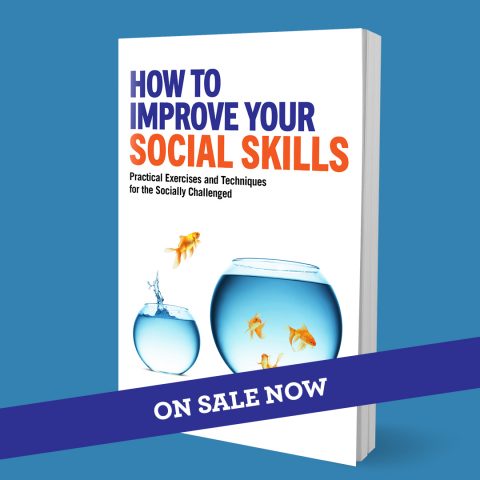
A book by Dr. Thomas Lucking
Practical Exercises and Techniques for the Socially Challenged
Starting from the value of social skills and how they shape your well-being, the book gets very practical with small talk, assertiveness, and empathy, then addresses friendship, dating, the workplace, and groups. Dr. Lucking uses it with people on the autism spectrum, neurodiverse couples, and anyone looking to build emotional intelligence.
Get the book on Amazon ↗As an Amazon Associate, we earn from qualifying purchases.

Change is hard and growth is optional. Our ISM-trained therapists and coaches can help with insight, accountability, and the right tools.
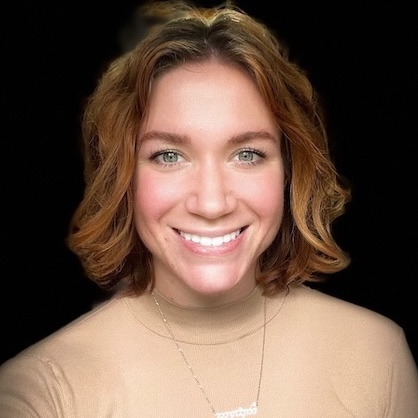 Emily Brown, Client Care CoordinatorSchedule a consultation with Emily to be matched with the right therapist or coach for your needs and your timeframe.
Couples & families · In person in Los Gatos and by telehealth