Hours lost to screens
Gaming, browsing, or social media for more than two hours a day.
How we help
You are not the problem. The addiction is the problem.
Addiction is a pleasure-seeking strategy to deal with pain, one that ends up causing more pain than it runs from. We use an integrative approach that addresses you and the relationships around you, because connection heals addiction.
Addiction often hides behind everyday habits. Ask yourself:
Gaming, browsing, or social media for more than two hours a day.
Feeling ashamed of your use, but unable to quit.
Pulling away from people and activities you used to enjoy.
Staying up late and paying for it the next day.
Becoming less effective at life’s everyday tasks.
Keeping secrets, even knowing it’s wrong, or others telling you there may be a problem.
When addictive behaviors stop, the brain can heal by building new pathways between its reward system and the prefrontal cortex.
Mind, body, spirit, and social life, not just the addiction.
Separating you from the problem, so shame gives way to change.
Strengthening the prefrontal cortex, the brain’s “brake.”
Up to 90% of behavior is habit. We replace the harmful ones.
Healing trust and communication with the people you love.
Guidance for families of teens and young adults whose brains are still developing.
Yes. Adolescents are especially vulnerable because the brain’s “brake” isn’t fully developed until about age 25. We work with teens and their parents.
No. Addiction is a chronic brain disorder. Good people can have a bad problem, and it is treatable.
We are not an emergency service. Call or text 988, the Suicide & Crisis Lifeline, free and available 24/7. If someone is in immediate danger, call 911.
If you’re serious about getting your life, or a loved one’s, back, now is the time to reach out.
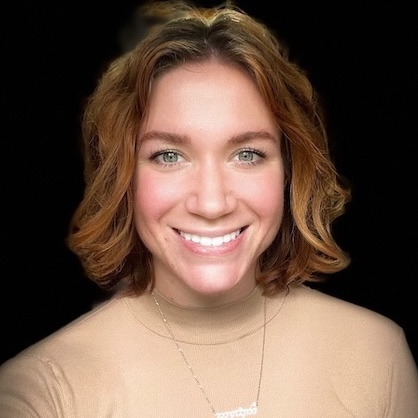 Emily Brown, Client Care CoordinatorSchedule a consultation with Emily to be matched with the right therapist or coach for your needs and your timeframe.