Social communication
How conversation, reading social cues, and connecting with others feel for you, including the effort it may take to keep up.
Doctoral-level, neurodiversity-affirming testing
Discover clarity through an adult autism assessment led by a Licensed Psychologist with doctoral-level clinicians, using the MIGDAS-2 and SRS-2. Gain insight, validation, and recommendations that fit your life.
Many adults reach an autism assessment after years of feeling different without a name for it. Our clinicians look closely at how you communicate, connect, and experience the world, so the picture that emerges is accurate and truly yours.
How conversation, reading social cues, and connecting with others feel for you, including the effort it may take to keep up.
Sensitivity or under-sensitivity to sound, light, texture, smell, or temperature, and how those differences shape your day.
The role of predictability, routines, and deep focused interests, which are often real strengths.
How much you may have adapted or camouflaged over the years, which is common in adults and often overlooked.
Each assessment is tailored to you and conducted by a Licensed Psychologist or doctoral-level clinician.
An in-depth conversation about your history, strengths, challenges, and what you hope to understand.
The Monteiro Interview Guidelines for Diagnosing the Autism Spectrum is a sensory-based, conversational interview that captures how you uniquely engage with the world. Input from people who know you well can be included.
The Social Responsiveness Scale measures social communication and repetitive or restricted behaviors, adding a quantitative view that complements the interview.
Depending on your questions and history, your clinician may add:
We see autism as a different way of experiencing the world, not a deficit to be fixed. Our goal is an accurate, respectful understanding of how your mind works, including your strengths.
Whatever the outcome, you'll leave with language for your experience and a clear sense of what might help next.
These well-established questionnaires can help you decide whether a full assessment makes sense. They take 5–15 minutes and open on an outside website.
A screener is not a diagnosis. Results are only a starting point. Bring them to your free consultation and we'll talk through what they might mean.
Your assessment is led by a Licensed Psychologist, with doctoral-level clinicians. Every clinician is listed with their exact title and license.
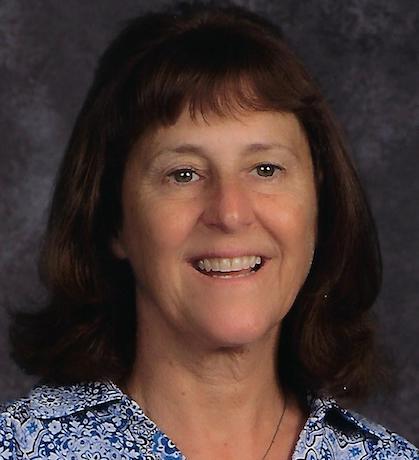
Director of Psychological Assessments
Licensed Clinical Psychologist · CA PSY 12748
More than 30 years assessing and treating children, adolescents, and adults for ADHD, autism, anxiety, and depression, with deep expertise in special education and the IEP process.

Registered Psychological Associate · CA PSB 94028100
Practices under the supervision of a licensed psychologist.
Doctoral-level clinician on our assessment team, conducting evaluations within our neurodiversity-affirming, collaborative approach.
Yes. Many adults, especially women and people who learned to mask their differences, are first identified later in life. An adult assessment looks at both your current experience and your history.
It can help but is not required. The MIGDAS-2 can include input from parents, partners, or others who know you well when that is available and comfortable for you.
Autism and ADHD often occur together. Your clinician can add ADHD measures so you get one clear, combined picture.
Schedule your adult autism assessment with our Licensed Psychologist and doctoral-level clinicians.
 Emily Brown, Client Care CoordinatorSchedule a consultation with Emily to be matched with the right therapist or coach for your needs and your timeframe.