Conversations end without landing
One of you speaks to connect; the other speaks to inform. Both leave feeling unheard, and the evening gets remembered two different ways.

ISM communication drives emotional connection.
Our ISM relationship program accelerates healing, hope, and forward motion in your relationship. It integrates yet goes beyond other approaches to bring you the best strategies for your relationship goals.
Neurodiversity, infidelity, lack of intimacy, emotional distance, conflict resolution, a culture of negativity, and other difficult issues.
Book a free consultationWhen one partner is neurodivergent and the other neurotypical, everyday moments can carry years of accumulated misunderstanding. Sound familiar?
One of you speaks to connect; the other speaks to inform. Both leave feeling unheard, and the evening gets remembered two different ways.
Withdrawal, shutdowns, or blame-shifting replace resolution. Small issues stack into resentments neither of you can trace anymore.
The neurotypical partner can carry years of unprocessed hurt while the neurodivergent partner feels perpetually criticized. We name and work through both experiences.
You manage logistics, chores, and family life together, but emotional connection keeps missing. Closeness starts to feel scheduled or effortful.
Couples work built only for neurotypical partners can miss what is actually happening between you. Processing time, sensory load, direct language, and different ways of showing care all change what good communication needs to look like.
We start by understanding how each of you takes in sensory input, processes emotion, and needs time. Then we rebuild communication around what is actually true for both of you.
“Do you want to be right, or in relationship?”— Thomas Lucking, PhD
Our work is built on the Island of Shared Meaning (ISM) communication model developed by Dr. Thomas Lucking: a structured way to reach each other without asking either partner to stop being who they are.
Before solving anything, we make each person's experience explicit: sensory needs, processing time, emotional language, and what connection actually feels like from inside their world.
We work the process of communication (verbal, nonverbal, and paraverbal) with structured exercises, social experiments, and homework, not just weekly insight.
ISM gives the work clear markers. You can see whether a conversation actually landed, learn from the ones that didn't, and watch the shared territory grow.
With understanding, awareness, and accountability from both partners, couples can build a way of relating that celebrates the good and manages the hard.

We start with a thorough assessment of your collective and individual histories, then build a treatment or coaching plan around your specific needs.
Cognitive and experiential homework and behavioral exercises keep the work moving between sessions, at a pace that works for both partners.
When formal clarity would help, psychological assessment can be part of the picture; we'll discuss whether it fits your goals.

Your provider works from the 8 C's of Internal Family Systems: calmness, curiosity, clarity, compassion, confidence, creativity, courage, and connectedness.
The neurodiverse relationships program centers on two clinicians who have dedicated their work to it.
We struggled for years with therapists that didn't understand Asperger's… it is only now that we are getting traction and rebuilding our relationship.
Since my partner and I have known each other (about 20 years) I think we've never communicated like we did last session.
We talk about our life before Dr. Lucking vs. after Dr. Lucking. I certainly did NOT think we would be here.
Start wherever feels easiest. A self-test gives you language for what you're noticing; a consultation gives you a person to talk it through with. No commitment either way.

No. Many couples begin while exploring whether autism or another form of neurodivergence is part of their dynamic. If a formal evaluation would help, we can talk through whether it makes sense for you.
Individual work can still help. Understanding your own patterns, responses, and needs, and learning how to communicate them across a neurotype difference, is meaningful even before both partners are in the room.
We start with the process of communication rather than the content of the argument. The ISM model and structured exercises are built for partners whose brains process emotion, sensory input, and language in different ways.
Our neurodiverse relationships work includes Dr. Thomas Lucking and Stephanie Salas, LMFT, a leader in neurodiverse relationship care. We'll help you find the right fit for your situation.
We are not an emergency service. Call or text 988, the Suicide & Crisis Lifeline, free and available 24/7. If someone is in immediate danger, call 911.
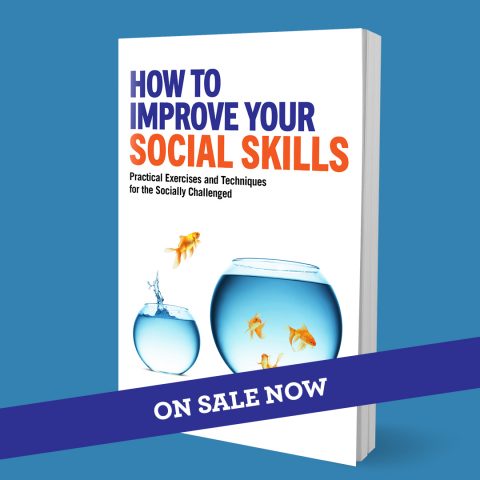
A book by Dr. Thomas Lucking
Practical Exercises and Techniques for the Socially Challenged
Starting from the value of social skills and how they shape your well-being, the book gets very practical with small talk, assertiveness, and empathy, then addresses friendship, dating, the workplace, and groups. Dr. Lucking uses it with people on the autism spectrum, neurodiverse couples, and anyone looking to build emotional intelligence.
Get the book on Amazon ↗As an Amazon Associate, we earn from qualifying purchases.

Change is hard, but you don't have to figure out the bridge alone. Let's find the shared meaning in your relationship.
 Emily Brown, Client Care CoordinatorSchedule a consultation with Emily to be matched with the right therapist or coach for your needs and your timeframe.
Individuals & couples · Therapy InMotion, Los Gatos, CA