Conversations end without landing.
A shared language for how each of you actually communicates.
Neurodiverse couples therapy, coaching, and assessment from the creator of the Island of Shared Meaning communication model.

When one partner is neurodivergent and the other neurotypical, everyday moments can carry years of accumulated misunderstanding.
Conversations end without landing.
A shared language for how each of you actually communicates.
Conflict is avoided until it isn't.
Structured exercises that resolve instead of letting resentments stack.
Empathy feels one-directional.
Both partners' experiences named and worked through.
Loneliness inside the relationship.
Shared territory you can actually watch grow.
“Do you want to be right, or in relationship?”
Dr. Lucking created the Island of Shared Meaning (ISM) communication model: a structured way for partners to reach each other without asking either to stop being who they are.
His work with neurodiverse couples starts by making each person's experience explicit — sensory needs, processing time, emotional language — and then rebuilding communication around what is actually true for both partners.
The model gives the work clear markers: you can see whether a conversation landed, learn from the ones that didn't, and watch the shared territory grow.
Each area begins with the same question: what would feel more understandable, supportive, and workable in your relationship?
For partners whose communication, emotions, and sensory worlds don't line up — and don't have to, to work. Couples work built for how both partners actually process, not just the neurotypical one.
Dr. Lucking's Island of Shared Meaning model structures the work: map each partner's island, build the crossing, and measure the meeting point.
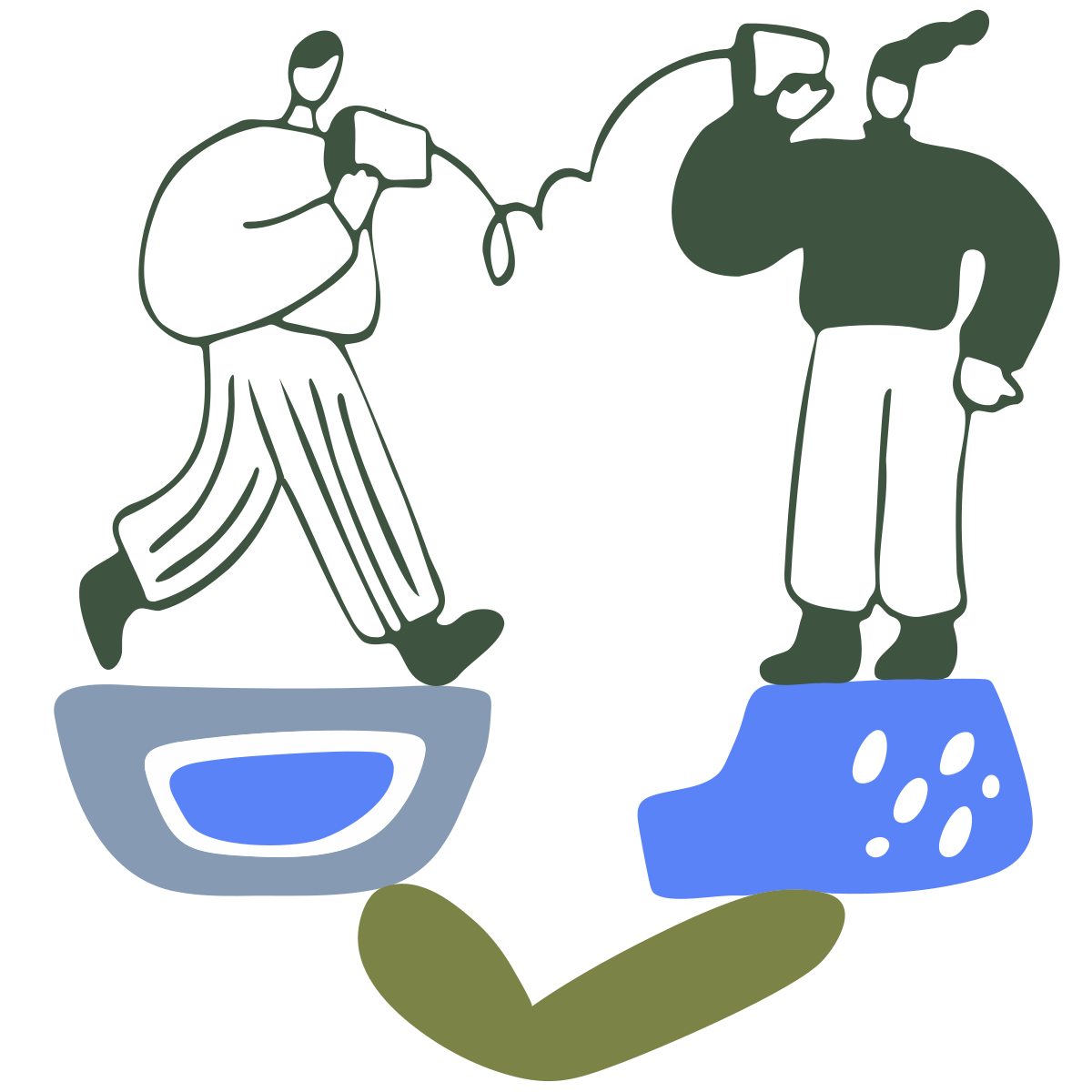
Structured exercises, social experiments, and homework that work the process of communication — verbal, nonverbal, and paraverbal — not just weekly insight.

When formal clarity would help, assessment can be part of the picture — discussed against your goals first.
Practical, strengths-based support for organization, routines, communication, and recovery.
A structured way to reach each other, with clear markers for whether a conversation actually landed.
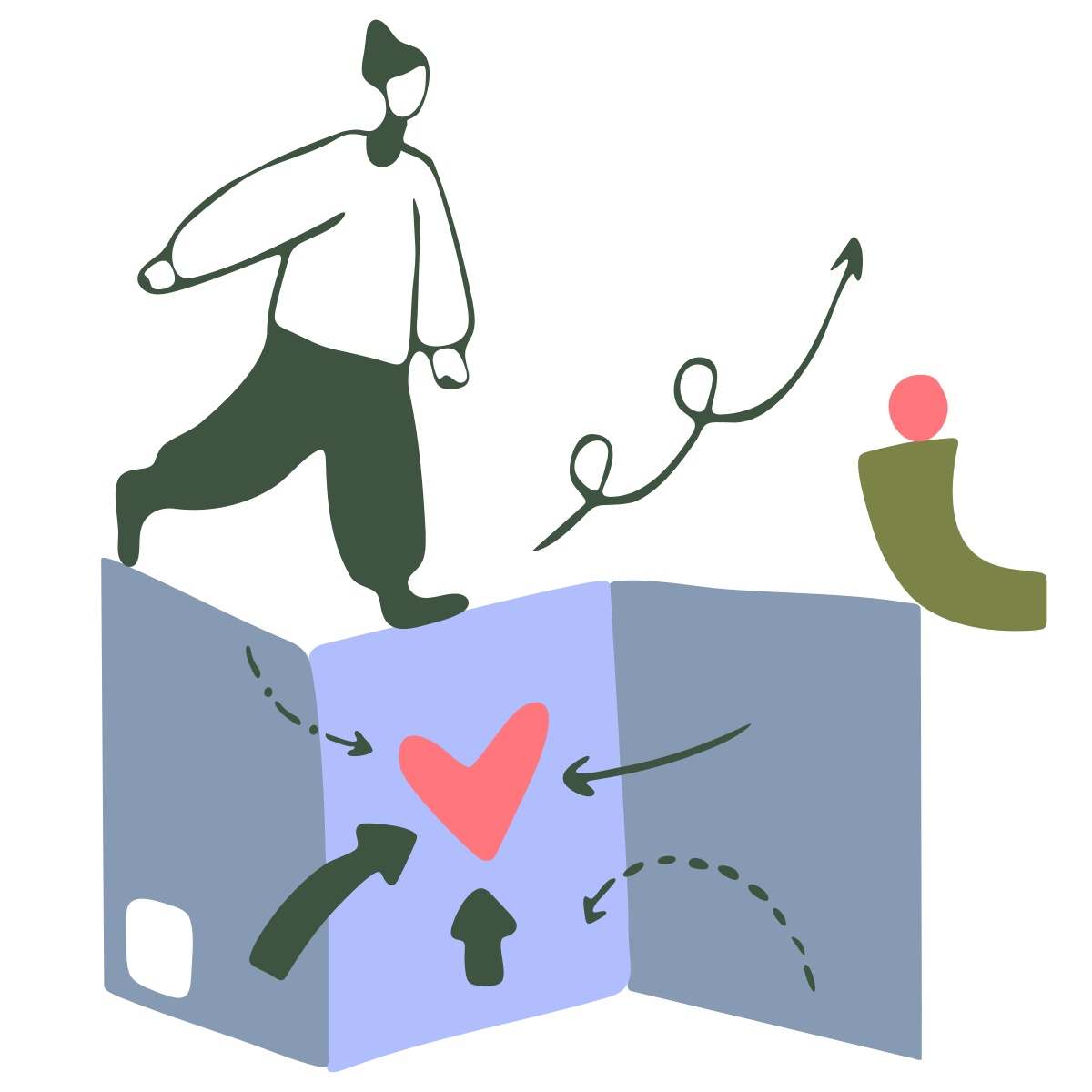
Before solving anything, each person's experience is made explicit: sensory needs, processing time, emotional language, and what connection feels like from inside their world.
Structured exercises, social experiments, and homework keep the work moving between sessions, at a pace that works for both partners.
ISM gives the work clear markers — you learn from the conversations that didn't land and watch the shared territory grow.
Start with a free consultation through Alira Family Therapy. Share what you're looking for, ask practical questions, and decide whether Dr. Lucking's approach feels like the right fit.
Request a free consultation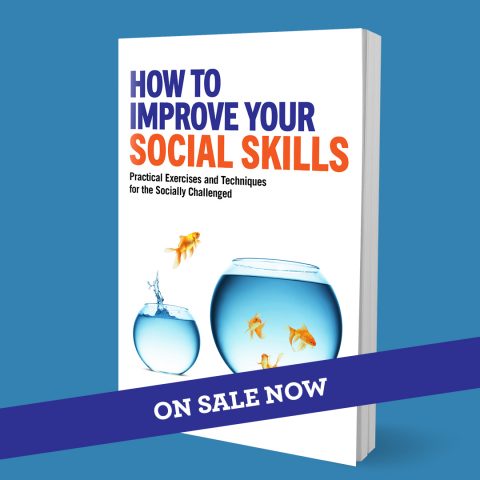
A book by Dr. Thomas Lucking
Practical Exercises and Techniques for the Socially Challenged
Starting from the value of social skills and how they shape your well-being, the book gets very practical with small talk, assertiveness, and empathy, then addresses friendship, dating, the workplace, and groups. Dr. Lucking uses it with people on the autism spectrum, neurodiverse couples, and anyone looking to build emotional intelligence.
Get the book on Amazon ↗As an Amazon Associate, we earn from qualifying purchases.
Starting therapy is personal. These are a few practical things you may want to know first.
Neurodiverse couples are the center of his practice, alongside individual adults seeking coaching or assessment.
ISM is the communication model Dr. Lucking developed for couples whose brains process emotion, sensory input, and language differently — a structured way to reach each other without either partner stopping being who they are.
Yes. He sees clients via telehealth and at the Los Gatos office, and is licensed as a Marriage and Family Therapist in California.
Book directly with the Alira Family Therapy consultation calendar, or call 424.866.8466 and mention Dr. Lucking by name.
This practice is not an emergency service. Call or text 988 for the Suicide & Crisis Lifeline, free and available 24/7. If you are in immediate danger, call 911.

You don't have to have the right words before you reach out. Bring what you know, what you're wondering about, and what you hope could feel different.