Obsessions
Unwanted, intrusive thoughts, images, or urges that cause distress and are hard to dismiss.
Doctoral-level, neurodiversity-affirming
Gain clarity through OCD testing led by a Licensed Psychologist with doctoral-level clinicians, using the Y-BOCS and OCI-R. Receive a clear diagnosis and recommendations for next steps.
OCD is often misunderstood as neatness or perfectionism. In reality it involves intrusive thoughts and the urges or rituals used to relieve them, and it can overlap with anxiety, ADHD, and autistic traits. Careful assessment tells these apart.
Unwanted, intrusive thoughts, images, or urges that cause distress and are hard to dismiss.
Repeated behaviors or mental acts done to reduce that distress or prevent something feared.
Time lost to rituals, avoidance, and the toll on work, relationships, and wellbeing.
Distinguishing OCD from anxiety, ADHD, and autistic routines, which can look similar but call for different support.
Each assessment is tailored to you and conducted by a Licensed Psychologist or doctoral-level clinician.
A thorough, non-judgmental conversation about your thoughts, behaviors, history, and goals.
The Yale-Brown Obsessive Compulsive Scale is a clinician-administered measure of the type and severity of obsessions and compulsions.
The Obsessive-Compulsive Inventory, Revised is a self-report measure across common OCD symptom areas, such as checking, ordering, and intrusive thoughts.
Depending on your questions and history, your clinician may add:
Talking about intrusive thoughts can feel frightening or embarrassing. Our clinicians have heard it all, and we approach every conversation with calm, curiosity, and respect.
When OCD overlaps with autistic or ADHD traits, we take care not to pathologize the parts of you that simply work differently.
Your assessment is led by a Licensed Psychologist, with doctoral-level clinicians. Every clinician is listed with their exact title and license.
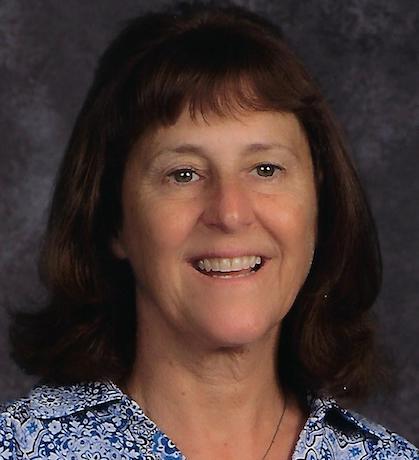
Director of Psychological Assessments
Licensed Clinical Psychologist · CA PSY 12748
More than 30 years assessing and treating children, adolescents, and adults for ADHD, autism, anxiety, and depression, with deep expertise in special education and the IEP process.

Registered Psychological Associate · CA PSB 94028100
Practices under the supervision of a licensed psychologist.
Doctoral-level clinician on our assessment team, conducting evaluations within our neurodiversity-affirming, collaborative approach.
Anxiety and perfectionism can be part of the picture, but OCD specifically involves obsessions and the compulsions used to neutralize them. The assessment helps tell these apart.
Yes. Intrusive thoughts are a core part of OCD and do not reflect who you are. Our clinicians are experienced, calm, and non-judgmental.
Yes, and the overlap can be confusing. We look at the whole picture so recommendations fit you.
Schedule your ocd testing & assessment with our Licensed Psychologist and doctoral-level clinicians.
 Emily Brown, Client Care CoordinatorSchedule a consultation with Emily to be matched with the right therapist or coach for your needs and your timeframe.