Suspicious and untrusting
Always scanning for danger, and slow to let people in.
Trauma can be at the root of many struggles, from addiction to depression to relationship pain. Driven by our extensive work with veterans, we offer an integrative approach that treats trauma at its source, for anyone who needs it.
Trauma changes how the brain and body respond to the world. People often notice themselves becoming:
Always scanning for danger, and slow to let people in.
Distracted, demotivated, and short on energy.
Hard on yourself and others, and prone to self-sabotage.
Numb or distant, sometimes turning to addictive habits to cope.
Big 'T' trauma is a one-time event you experience or witness, such as a car crash, combat, a natural disaster, or a moment of abuse. It can lead to PTSD or acute stress disorder. Little 't' traumas are the repetitive, death-by-a-thousand-cuts experiences that build up over time, and they can lead to anxiety, mood disorders, and ongoing traumatic relationship syndrome (OTRS).
Trauma is common. Some studies show that over 90% of people seeking psychotherapy have experienced trauma, and it affects mental health, relationships, and physical health alike. That's why it is essential to rule out or address trauma in any mental health treatment.
“Be kind, for everyone you meet is fighting a great battle.”— attributed to Philo of Alexandria
We understand the neuroscience behind trauma, and we combine methods so healing reaches both the memories and the stress response they left behind.
Calming, grounding, and coping skills come first, so you feel prepared before deeper work begins.
EMDR and Brainspotting help the brain process traumatic memories so they lose their emotional charge.
Neurofeedback, CBT, and behavioral strategies calm reactivity and rebuild sleep, focus, and daily functioning.
You stay in control of the pace. You don't have to describe every detail out loud for this work to help.
A careful history and a plan built around your goals and readiness.
Evidence-based reprocessing, offered in standard sessions or intensives.

Brain training that reduces an excessive response to everyday stress.

CBT and behavioral strategies for triggers, sleep, and stuck thoughts.
A free consultation is a safe, low-pressure place to start. If you'd like to check in with yourself first, the VA's PTSD screen takes a few minutes.
No. Many people come to us with little 't' trauma, relationship trauma, or simply the sense that something from the past is still affecting them.
Not in the way many people fear. We build safety and coping skills first, and approaches like EMDR and Brainspotting do not require you to retell every detail.
Ongoing traumatic relationship syndrome describes trauma that builds up through a long-term painful relationship. We treat it with the same care as a single overwhelming event.
We are not an emergency service. Call or text 988, the Suicide & Crisis Lifeline, free and available 24/7 (veterans can press 1). If someone is in immediate danger, call 911.

We'll listen, and help you find the right approach and clinician.
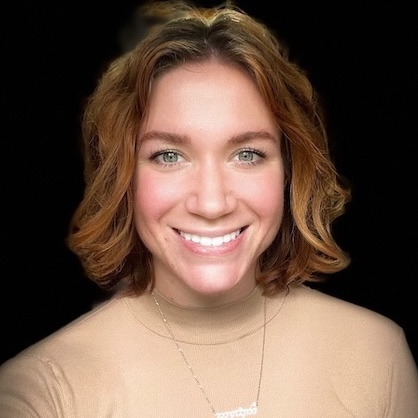 Emily Brown, Client Care CoordinatorSchedule a consultation with Emily to be matched with the right therapist or coach for your needs and your timeframe.
Individuals, couples & families · In person in Los Gatos and by telehealth