Social challenges
Difficulty making friends, or starting and sustaining conversations.
We know the challenges of being on the autism spectrum, and the strengths and gifts it can bring. In the tech capital of the world, we’ve seen autistic minds struggle and thrive. We help you accentuate the strengths.
Autism is a neurodevelopmental difference that affects sensory processing, repetitive patterns, and social interaction. Adults often notice:
Difficulty making friends, or starting and sustaining conversations.
Deep focus on a topic of interest, which is often a real strength.
A strong need for predictability and sameness.
Heightened reactions to sound, light, touch, or smell.
Autistic people are often gifted, with a remarkable ability to focus that can lead to impressive accomplishments. It’s the “best kind of different,” as Shonda Schilling put it.
Every autistic person is unique. Your therapist or coach will understand your specific profile and tailor support to you, including areas like alexithymia, stimming, perseverating, and relationship strain such as OTRS or Cassandra syndrome.
“People with Asperger’s have a different kind of brain.”— Alira Family Therapy
Support is tailored to your goals and strengths.
An intake, free online screeners, or a full doctoral-level autism assessment.
Social and emotional intelligence, communication, and sensory strategies.
Anxiety, depression, OCD, ADHD, and addiction, with psychiatric collaboration when medication may help.
There is no medication for autism itself, but co-occurring conditions can be treated.
Free screeners are a good start, and our adult autism assessment provides a professional answer.
Yes. We specialize in neurodiverse relationships and support partners and families.
We are not an emergency service. Call or text 988, the Suicide & Crisis Lifeline, free and available 24/7. If someone is in immediate danger, call 911.
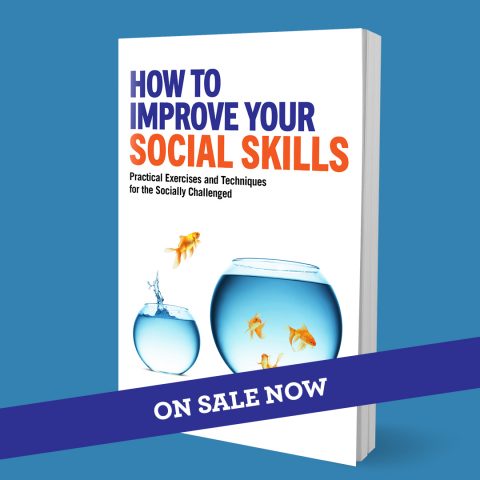
A book by Dr. Thomas Lucking
Practical Exercises and Techniques for the Socially Challenged
Starting from the value of social skills and how they shape your well-being, the book gets very practical with small talk, assertiveness, and empathy, then addresses friendship, dating, the workplace, and groups. Dr. Lucking uses it with people on the autism spectrum, neurodiverse couples, and anyone looking to build emotional intelligence.
Get the book on Amazon ↗As an Amazon Associate, we earn from qualifying purchases.

Talk with us about what support would help most.
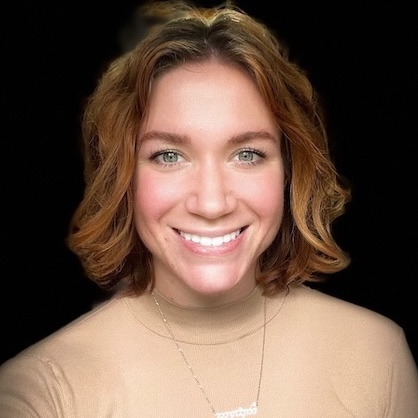 Emily Brown, Client Care CoordinatorSchedule a consultation with Emily to be matched with the right therapist or coach for your needs and your timeframe.
Adults · In person in Los Gatos and by telehealth